Free Concrete Block Calculator (2026)
Concrete Block Calculator
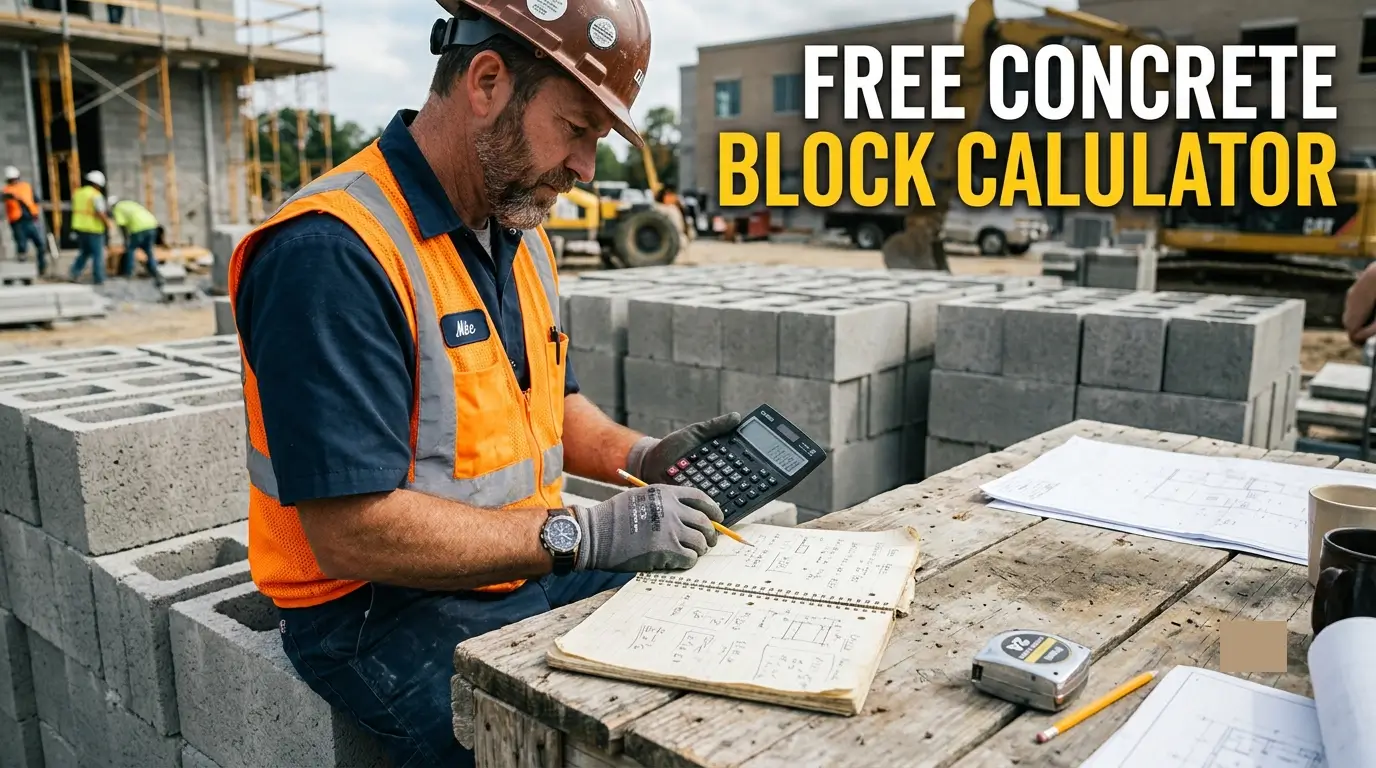
Calculate the total number of concrete blocks needed for your wall project. Select your preferred units, enter your dimensions, and include a waste allowance for cuts and spares.
Launching any project requires addressing one uncertainty: determining material quantities you actually need. Whether working with concrete blocks, cinder blocks, or clay bricks, accurate planning and size assessment using a calculator prevents costly construction errors.
Practitioners know estimate accuracy depends on whether walls require standard or particular size specs. Accounting for concrete blocks cost, mortar requirements, material amount, and materials needed ensures budgets stay realistic and avoid costly mid-project surprises.
How To Use The Concrete Block Calculator
The concrete block calculator serves as your foundational tool for construction projects. Record your wall dimensions height and width are absolutely critical. Once you find these measurements, you can execute calculations for material requirements and understand the complete cost before commencing work on site.
To calculate the number of blocks required, multiply your wall’s height by wall’s width to determine total area. Then divide this total area by the single block’s measurement in square inches or meters. This mathematical operation yields your exact block count needed for construction.
Beyond quantities, the calculator addresses price per block multiplication revealing concrete block costs. Account for mortar needed using the rule of thumb: approximately three standard bags cover 100 blocks. This estimating approach ensures accurate budgeting for all materials without missing critical required amount or expenses.
How Many Concrete Blocks Do I Need?
The foundational step involves understanding exactly what you’re attempting to build this is where many encounter their first challenge. Rather than relying on a generic brick calculator, the idea is grasping calculation logic manually. Laying the first stone requires knowing your wall dimensions precisely beforehand.
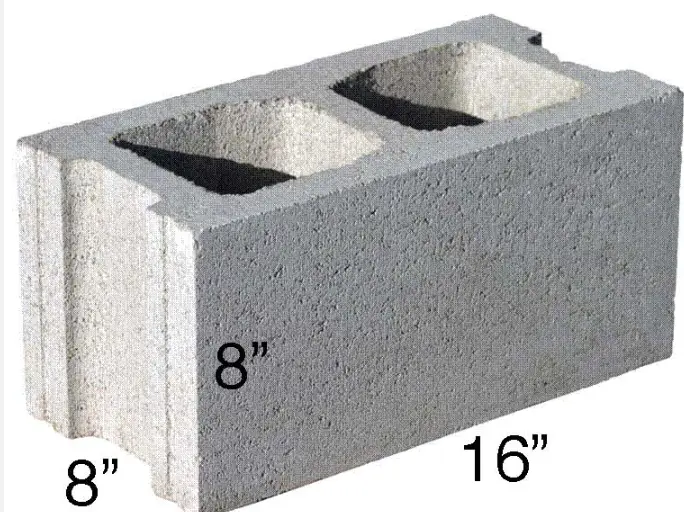
Determining quantity depends on wall area and block dimensions an average approach multiplies length by height. When you find out your square footage, divide by individual block coverage area. This methodology eliminates guesswork from projects. The help this provides prevents costly material miscalculations during construction phases.
Professional contractors often emphasize measuring twice before ordering all required materials carefully. Accuracy truly prevents overages and unnecessary expenses on your project site. Understanding these fundamental principles transforms how property owners approach masonry work. Taking time upfront yields significant savings and project efficiency throughout completion.
Calculating Concrete Blocks – Example
When examining a particular wall measuring 10 feet high and 50 feet wide, establishing exact dimensions is essential. The 10 x 50 layout will cover an impressive 500 square feet expanse. Using standard 16″ x 8″ block units each containing 128 square inches provides the framework for your material calculation requirements.
Converting to 500 ft² then 72,000 in² clarifies your scope. Dividing by unit size yields 562.5, a figure requiring careful decision. The nearest whole number rounding up gives results showing you’ll need exactly 563 concrete blocks. This calculation precision prevents wasteful under-ordering during construction phases.
Cinder block at $1.5 costs $844.5 total (563 x $1.5). Dividing yields 33.3 bags needed; 16.9 variations apply practically. Buying 17 standard bags mortar as whole bags not limited fractional amounts means you get proper material flow continuously without project interruption or supply constraints throughout.
A Note on Using the Concrete Block Calculator
Strategic Procurement and Logistics
Professional installers consistently advise builders to establish comprehensive supply chains before project commencement. The logistics of driving back and forth to suppliers proves inefficient. Prepared procurement requires strategic planning. Calculate exact requirements using our percentage calculator, then buy surplus inventory appropriately. Smart contractors eliminate redundant trips, conserving time and gas effectively.
Contingency Planning and Material Management
Construction realities demand genuine contingency planning. Unexpected mishaps occur frequently during installation phases. We recommend purchasing at least 10% additional materials beyond calculated quantities. This buffer prevents delays. Keeping more material beforehand at your site allows flexibility. Store supplies strategically to manage worker efficiency and maintain momentum during project execution.
Efficiency and Resource Optimization
Efficiency emerges when builders reject wasting resources through poor estimation practices. Smart managers understand material surplus creates complications. Each block calculation requires honest assessment. Padding quantities artificially inflates budgets. Professional installers maintain discipline in procurement decisions. Sound stewardship reflects directly upon project profitability and contractor reputation within industry circles today.
Foundation for Professional Success
Understanding project scope transforms outcomes effectively. Calculators serve as foundational decision-making tools. Implementation requires honest engagement with data. Field experience shows preparation prevents complications. Contractors embracing systematic approaches achieve superior results. Success emerges through disciplined execution and respect for specifications. This foundation ensures structural integrity, client satisfaction, and project success.
How Many Concrete Blocks Do I Need To Build A 10 Square Meter Wall?
Find the area each block can cover practically. A 16 inch by 8 inch block covers approximately 0.0826 square meters. Divide your desired wall area directly by the area per brick for accurate calculations needed.
For a 10 square meter wall, precise calculations show exactly what materials are truly needed. Taking that measurement divided by the block coverage yields 121 concrete blocks required to cover your complete construction project appropriately.
How Do I Calculate The Number Of Blocks That I Need For My Wall?
Finding the right quantity demands precision. Measure your wall’s height and width first this step determines everything. Then use these dimensions to establish your area, multiplying figures together for accurate data before proceeding with specifics.
Calculate individual block size understanding dimensions shapes success. Dividing your wall area by the block dimensions reveals your result precisely. This total amount of blocks represents what you need, avoiding miscalculations through careful numerical analysis.
How do I Calculate the Total Cost of My Wall?
Breaking Down Your Project Expenses
Determining your price hinges on isolating the single block cost before scaling calculations. Most contractors start by identifying their unit price often discovered through supplier quotes or bulk agreements. From there, multiply this baseline figure against your entire number of cinder blocks count. The psychological trick involves separating material procurement from labor; treating each as distinct line items prevents mental accounting errors. I’ve found that rushing this step creates budget overruns. Establishing this foundation prevents cascading miscalculations throughout your project lifecycle.
Understanding concrete blocks cost dynamics reveals patterns hidden in simplified estimates. The relationship between multiply, quantity ordered, and unit price fluctuates based on seasonal demand and supplier relationships. Rather than accepting quoted figures blindly, verify your price against regional standards I typically cross-reference three suppliers minimum. This prevents paying inflated rates for identical materials. The true expense emerges only after meticulous comparison of individual block pricing against your complete material requirements, transforming raw numbers into actionable budget strategies.
How Many Bags Of Mortars Do I Need?
Standard 100 blocks measuring exactly 16 inches by 8 inches require approximately 2.6 bags per unit, meaning larger construction batches like 1000 blocks demand roughly 26 bags total a practical ratio seasoned professional builders recognize.
Mortar manufacturers consistently recommend weight-based calculations precisely derived from 40 kilograms per 100 blocks, a robust proven methodology providing substantially more precise material estimates than conventional industry standard guesswork when executing your specific building projects.
FAQs
Conclusion
Look, the concrete block calculator isn’t just some fancy tool it’s actually your insurance policy against running short or drowning in leftover materials halfway through a project. I’ve seen too many builders wing it and end up either overstocked or scrambling to hunt down more blocks mid-week when suppliers have limited stock. The real power comes when you spend 15 minutes upfront getting your dimensions right, understanding your wall area, and plugging in honest numbers for block sizes and mortar requirements. Then add that 10% buffer because reality always throws curveballs blocks crack, cuts go wrong, and site conditions change. Whether you’re laying a simple garden wall or tackling a major construction job, treating this calculation seriously keeps your wallet healthy and your schedule on track. Master this one discipline and you’ll find yourself ahead of contractors who just guess and hope.
Read More: