
Asphalt Calculator USA: Estimate Tonnage & Costs
Asphalt Calculator
Estimate required asphalt area, volume, weight, and waste allowance.
Whether tackling potholes on your asphalt roadway or planning a major highway, understanding tonnage demands has become essential. The blacktop calculator emerged from field necessity contractors needing quick cost calculator responses before important meetings end.
Real planning for paving projects from asphalt driveway installations in Bay Area to airfield projects demands precise measurements and material knowledge. H&K Group's materials team understands that accurate estimate fundamentals calculate what your job requires.
HOW TO USE THE ASPHALT CALCULATOR
CALCULATOR INPUT REQUIREMENTS
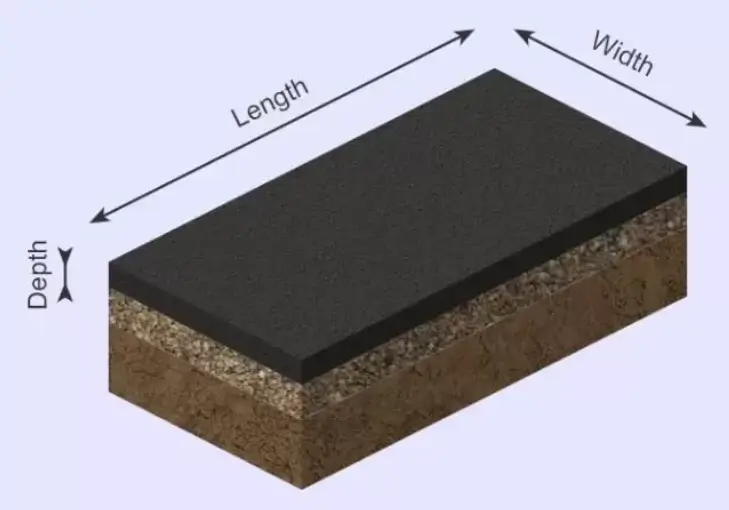
The asphalt calculator demands precision from the start. Length, width, and compacted thickness form your foundation, but decimal values often prove more reliable than rough estimates. When you enter measurements, the tool transforms raw dimensions into tons required, making material planning tangible and actionable immediately.
Understanding rectangular area calculations separates amateurs from professionals. Your project's area multiplied by depth creates asphalt volume a critical intermediate step. Many overlook how thickness in inches dramatically influences final tonnage. The square footage calculator function exists precisely because dimensions alone mislead; density considerations prove essential for accuracy.
Most operators fixate on the click of a button, forgetting proper length and width input accuracy determines results. Parameters demand detail whether measuring in feet or entering fractional values, small errors compound downstream. The calculator accepts 0.25 inches precision because real projects require true exactness and reliability.
ACCURATE MEASUREMENTS GUIDANCE
Reliable results demand obsessive attention during precise measurement phases. The asphalt calculator truly rewards precision accurate measurements of length, width, and depth transform planning into concrete needs. I've witnessed projects falter from negligent measurement. Measure twice, maybe three times when stakes involve significant project costs.
Double check your numbers before processing error dimensions cascade through calculations with alarming speed. Project area precision matters because every miscalculation inflates or deflates your tonnage estimates dangerously. Converting measurements to feet standardizes the process, reducing confusion. The difference between successful installation and expensive failure hinges on this foundational accuracy.
Asphalt required calculations hinge directly on accurate measurements. I recommend digital tools over tape measures for project area determination, though both work carefully. Cross-verify all inputs before trusting outputs. The asphalt calculator represents your project's financial blueprint; measurement integrity directly influences project costs and outcomes.
How To Determine Asphalt Requirements

Understanding your intended use requires examining the project area and expected traffic load simultaneously. Home driveways with one to two cars demand different thickness than commercial spaces. Soil conditions and climate variations influence decisions bay area moisture differs from intense summer heat zones. Begin by clarifying whether you're managing light residential driveway activity or heavy-duty parking lot operations needing structural reinforcement and longevity planning.
Base material preparation determines everything following installation. Your gravel foundation and subgrade material must remain stable, preventing future puddle formation and asphalt settlement. Crushed stones need proper arrangement to support surface layers above. Removing large debris, rocks, and twigs creates a clean, compacted surface. Proper drainage through well-prepared soil type ensures asphalt pavement performs optimally across different seasonal weather patterns.
Volume calculations stem from measuring length, width, and desired thickness precisely. Multiply these dimensions to establish square footage requirements, then convert using lbs per cubic foot formulas for accurate material estimation. Fraction values matter significantly when computing cubic yards or tons needed. Professional contractors often refine estimates through on site evaluation, adjusting for irregular shapes and surface variations unique to your project.
Calculating Asphalt Weight
The industry standard weight for asphalt measures 145 lbs per cubic foot consistently. Multiply your project area in feet by desired depth to determine total cubic feet needed. Divide final pounds calculation by 2000 pounds to convert into tons of asphalt needed. This mathematical foundation applies regardless of whether you're calculating driveway, parking lots, or residential roads requiring different performance specifications.
Asphalt density typically reaches 2300 kg per cubic meter or approximately 4.83 tonnes per cubic meter under proper compaction. Your specific asphalt mixture may vary based on aggregate to bitumen ratios and local material composition. Hot mix asphalt selection influences final weight outcomes significantly. Real-world examples show that a 7 meters by 6 meters surface at 5 centimeters thickness yields approximately 4830 kg total this weight drives both logistics and cost per weight calculations throughout your project.
Total asphalt weight directly determines delivery cost and cost per weight pricing structure. Understanding whether suppliers charge per tonne or per square foot affects budgeting accuracy completely. Local asphalt material cost variations mean identical weight calculations produce different financial outcomes regionally. Experienced contractors cross-reference multiple suppliers and compare quotes carefully, examining whether bulk ordering reduces per-unit pricing and impacts your total investment substantially.
What Is Asphalt?
Bitumen-based construction materials form the backbone of modern infrastructure, creating durable pavement surfaces through carefully engineered asphalt concrete mixtures. This dark, versatile material bonds aggregate particles through viscous binding properties, establishing blacktop that withstands extreme conditions while maintaining structural integrity across diverse environmental challenges throughout its lifespan.
At its core, asphalt represents a sophisticated engineering solution combining product innovation with practical durability. When properly installed, this paving material delivers exceptional waterproofing capabilities, making it the preferred choice for highways, driveways, and commercial applications where climate resilience matters most.
Asphalt Pricing / Cost
Understanding how asphalt gets priced requires examining variables that influence your project cost. The cost per ton typically ranges from $40 to $80, depending heavily on rock size, total volume ordered, and your work location. Regional fluctuations, supplier proximity, and material quality significantly impact final expenditure calculations.
What ultimately determines your final cost isn't just material expenses it reflects regional market conditions and contractor expertise. Local material availability and seasonal demand create price fluctuations that property owners monitor before initiating their asphalt projects. Timing purchases strategically can substantially reduce overall investment while maintaining quality standards.
Asphalt Thickness Requirements
Thickness varies significantly based on your specific project intended use requirements. For home driveways serving one to two cars, a 2 inch layer provides the standard foundation that works well. However, accommodating heavier vehicle traffic or heavy trailer loads demands upgrading to a 3 inch layer.
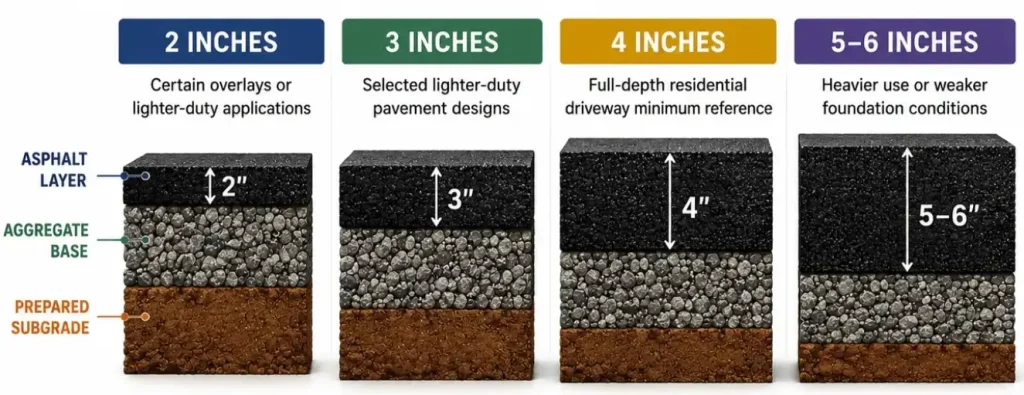
Commercial applications demand distinctly different specifications. Lighter use parking lots typically require only 4 inches of compacted material for adequate performance. Conversely, heavier use parking lots handling substantial traffic volume warrant 6 to 8 inches, ensuring resilience against wear patterns and extending overall structural integrity.
Notes To Consider When Applying Asphalt
Soil condition fundamentally determines success before any overlay begins. Professional installation requires understanding subsurface characteristics clay soil retains moisture differently than sandy soil, which affects longevity. Property owners often overlook that preparation precedes application; rushing this phase courts expensive consequences. Achieve density through methodical groundwork, recognizing that traffic load specifications demand specific asphalt type selections. Cutting corners on preparatory phases inevitably leads to costly repairing, transforming modest upfront investments into substantial future liabilities affecting pavement durability.
Asphalt thickness decisions stem from intended usage patterns rather than uniform standards. Lighter use parking lots function optimally with 4 inches, while heavier use parking lots demand 6 to 8 inches for structural integrity. Load requirements vary across applications residential driveways differ fundamentally from commercial installations regarding resilience. Maximum performance emerges when proper equipment operators understand compaction rates and density specifications unique to each project. Practitioners recognize that pavement lifespan extends considerably when thickness correlates directly with anticipated stress levels, creating economically sensible solutions.
Understanding warm mix asphalt and reclaimed asphalt pavement options represents contemporary sophistication in material selection. Multiple layers construction methodology builds strong, rut-resistant surfaces through sequential compaction phases rather than monolithic approaches. Local material costs fluctuate based on asphalt type availability and mixing process complexities specific to geographic regions. Upfront cost consciousness shouldn't compromise structural longevity through inferior material choices. Useful starting point conversations with asphalt suppliers clarify whether traditional hot mix or alternatives better serve particular environmental conditions affecting long-term performance.
Compaction And Installation
Compaction requires understanding asphalt surfaces under conditions beneath pavement. Clearing weeds and plants precedes proper installation. Well prepared soil eliminates poor drainage. Groundwork maximizes asphalt layer performance and delivers stable long lasting surface outcomes effectively.
Asphalt driveway stability depends on proper compaction and consistency. The area receives asphalt sealer for additional durability once asphalt cures. Understanding pavement lifespan helps plan maintenance. Professional execution ensures performance reliability throughout service with oversight.
Advantages Of Using Asphalt
The silent pavement characteristic genuinely transforms highway and airfield experiences—sound reduction at high speeds absolutely isn't trivial. Asphalt's beautiful clean dark look provides substantial benefits, while its high waterproofing capability outperforms competing materials significantly.
Asphalt's proven lifespan extends beyond 20 years when maintained, particularly resilient in freezing climates. This longevity represents exceptional value, making it the practical choice for demanding conditions requiring durability and consistent performance across weather scenarios.
FAQs
Conclusion
Ultimately, executing a durable and cost-effective paving project requires balancing accurate volumetric calculations with an understanding of site-specific demands. While precise measurement inputs (length, width, and compacted depth) ensure you order the correct tonnage and avoid material waste, the long-term success of the pavement hinges on proper ground preparation, choosing the right thickness for intended load capacities, and timing installation during warm, dry weather. Factor in contractor baseline minimums and regional material variations early on, as a solid gravel sub-base combined with correct material compaction remains the single most critical investment for preventing structural failure.
Read More:
- Cubic Yards to Tons Calculator: Fast Material Conversion Online
- Free Concrete Block Calculator (2026)
- Tax Calculator: Fast, Accurate & Easy Tax Estimates Online
- French Drain Gravel Calculator: Estimate Materials & Cost USA
- Topsoil Calculator – Exact Yards, Bags & Coverage Needed
- Sand Calculator | How Much Sand Do I Need?