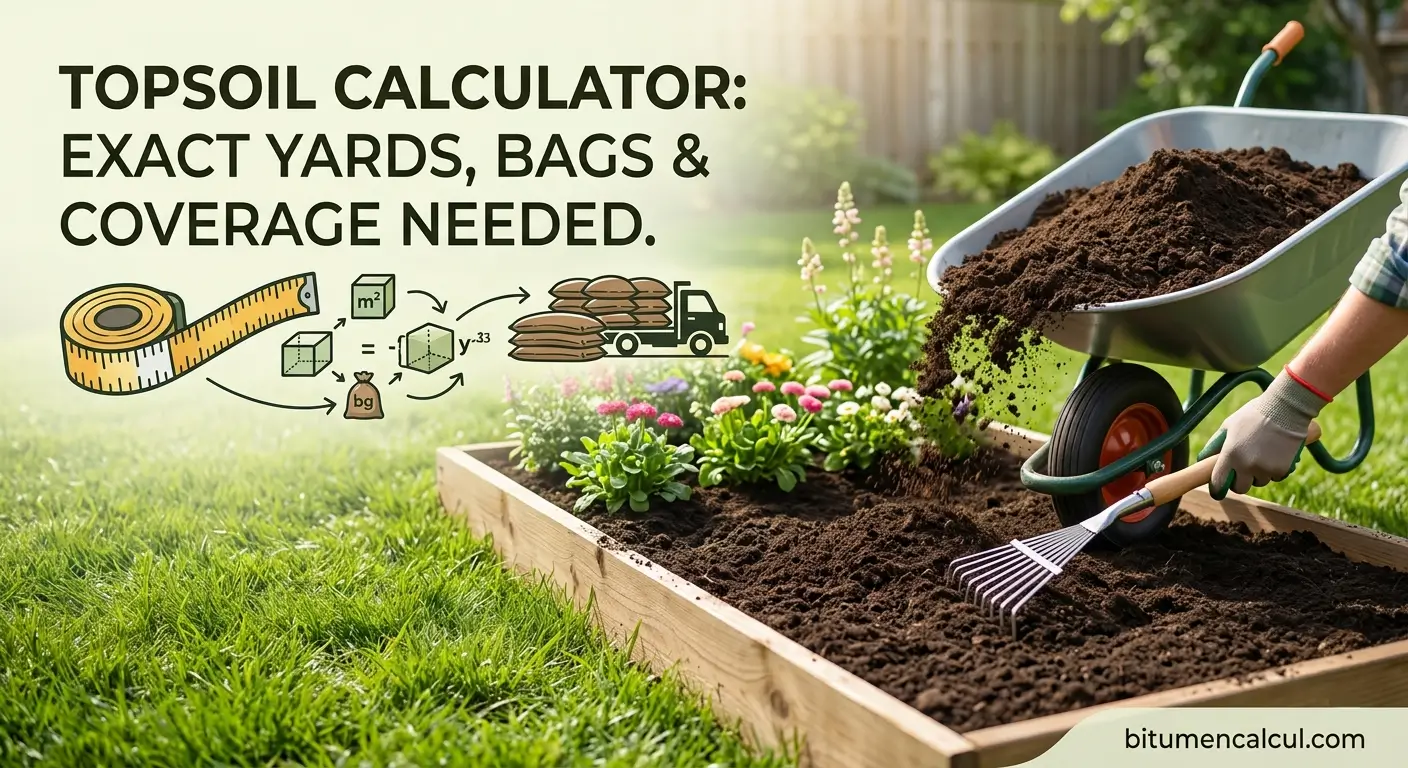
Topsoil Calculator – Exact Yards, Bags & Coverage Needed
Topsoil Calculator
Enter the length, width, and depth of your area to calculate the topsoil volume and weight needed.
Work out the precise volume of topsoil your garden requires by supplying your total surface dimensions alongside your planned soil depth, and the tool will calculate the exact amount to order.
How to Calculate Your Requirements
- Input Your Surface Area: Provide your area's length and width in feet, or type in the overall square footage directly.
- Choose Soil Depth: Enter the required depth in inches (a 6-inch layer is standard for newly established grounds and raised beds).
- Generate Your Total: Select Calculate to receive your final volume breakdown in both cubic feet and cubic yards.
What Is Topsoil?
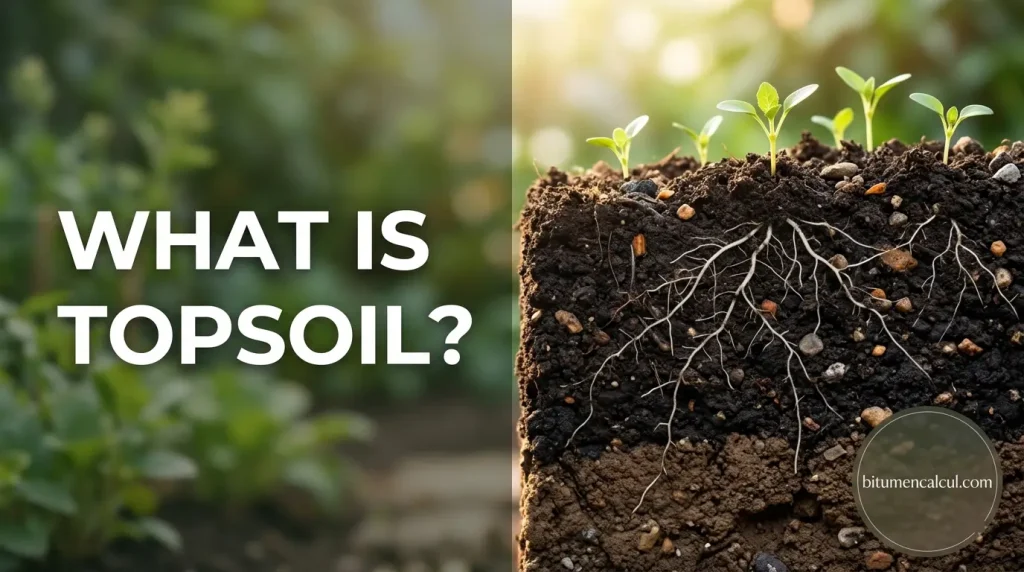
Topsoil represents the uppermost 2 to 8 inches of the ground the vital zone where root systems establish and absorb sustenance. Densely packed with decomposed organic matter, active microorganisms, and essential nutrients, this layer creates the fertile foundation plants require for healthy development.
Common applications include:
- Filling raised beds and planters: Providing a nutrient-rich growing medium for newly constructed beds.
- Turf laying preparation: Spreading a smooth, fertile base layer before unrolling fresh sod.
- Lawn repair and rejuvenation: Overseeding sparse patches or applying a light top-dressing across established grass.
- Ground levelling: Filling depressions, ruts, and hollows to create an even lawn surface.
- Establishing new gardens: Building fresh flower borders, decorative beds, and vegetable plots.
Recommended Topsoil Depth by Project
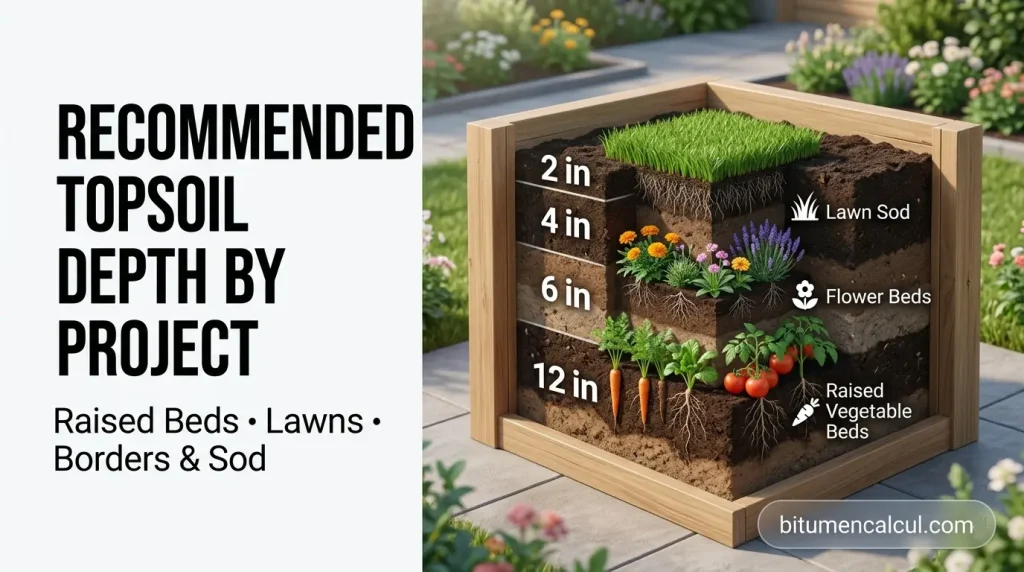
The required layer thickness varies significantly based on what you are growing and the condition of the ground underneath.
| Project Type | Recommended Depth | Practical Notes |
| Raised Garden Beds | 6–12 inches | Opt for greater depth when growing long-rooted produce such as carrots or potatoes. For an optimal growing mix, blend 40% topsoil, 40% compost, and 20% horticultural sand (refer to our Garden Soil Calculator for Raised Beds and Containers). |
| New Ground Beds & Borders | 6 inches | Provides sufficient rooting depth when spread directly over existing subsoil. |
| Lawn Repairs & Levelling | 1–3 inches | Ideal for smoothing uneven hollows or creating a clean seedbed for overseeding. |
| Fresh Sod / Turf Installation | 4–6 inches | Gives new turf roots ample room to anchor firmly and establish drought resilience. |
Expert Advice: If your underlying ground is heavy, rocky, or heavily compacted, always aim for the deeper end of the recommended range to give root systems the best chance to thrive.
Calculating Irregular Spaces
- For non-standard or odd layouts, divide the overall zone into basic, manageable shapes.
- Work out the square footage for each individual section separately, then combine those figures to find the grand total.
- For instance, if your garden or yard features an L- or H-like footprint, partition it into smaller rectangles, compute each segment, and sum them up.
- Alternatively, if you have already determined your overall square footage, you can input that final measurement straight into the calculator.
How to Determine Your Required Topsoil Volume
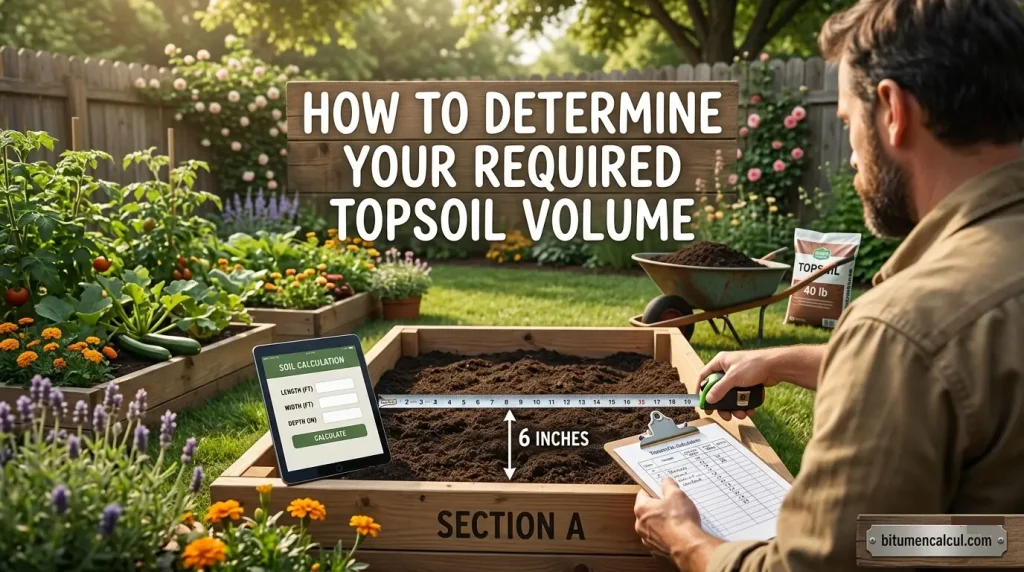
Whether establishing vegetable plots, potting container plants, laying fresh turf, enriching tired ground, or repairing uneven lawns, determining your total purchase quantity comes down to calculating three-dimensional volume. While our automated calculator handles these calculations instantly, you can also determine the figures manually using the standard formulas below.
Step-by-Step Volume Formula
- Measure Your Ground Dimensions: Determine the overall length and width in feet, alongside your target topsoil layer thickness in inches.
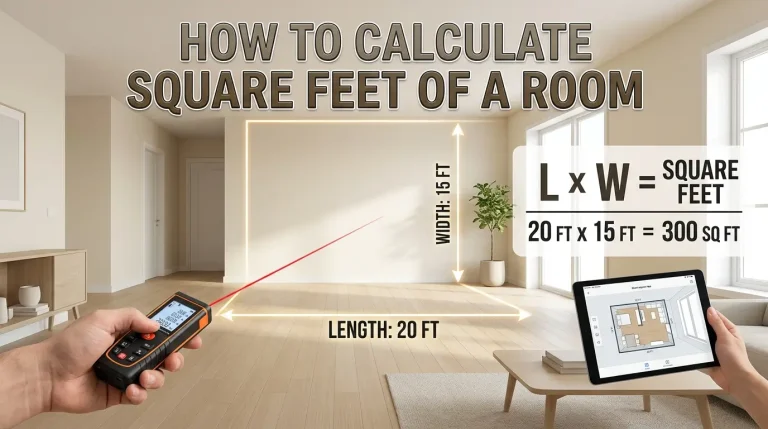
- Calculate Surface Area:$$\text{Area (sq ft)} = \text{Length (ft)} \times \text{Width (ft)}$$
- Convert Soil Depth to Feet:$$\text{Depth (ft)} = \frac{\text{Depth (inches)}}{12}$$
- Determine Total Cubic Feet:$$\text{Cubic Feet} = \text{Length (ft)} \times \text{Width (ft)} \times \text{Depth (ft)}$$
- Convert to Cubic Yards (Bulk Order Measurement):$$\text{Cubic Yards} = \frac{\text{Cubic Feet}}{27}$$
Practical Example: Patching a Bare Lawn Area
Suppose you need to repair an exposed section of turf measuring 6 feet in length by 4 feet across, aiming for a 2-inch layer of fresh topsoil before overseeding.
- Determine the Surface Footprint:$$6\text{ ft} \times 4\text{ ft} = 24\text{ sq ft}$$
- Convert Thickness to Feet:$$\frac{2\text{ in}}{12} \approx 0.167\text{ ft}$$
- Calculate the Required Cubic Feet:$$24\text{ sq ft} \times 0.167\text{ ft} = 4.008\text{ cu ft}$$
- Convert Total to Cubic Yards:$$\frac{4.008\text{ cu ft}}{27} \approx 0.15\text{ cu yd}$$
You will need approximately 0.15 cubic yards (or roughly 4 cubic feet) of topsoil to properly level and reseed this patch.
Selecting the Right Topsoil Grade
Different landscaping and gardening tasks call for specific grades of soil to balance drainage, structural stability, and fertility.
| Soil Classification | Distinct Characteristics | Recommended Applications |
| Screened Topsoil | Clean, debris-free, and fine-textured; the most adaptable choice for high-visibility surfaces. | Establishing lawns, ornamental flower borders, and general garden work. |
| Compost / Garden Blend | Rich in organic matter and vital nutrients; engineered to boost vitality and yield. | Productive vegetable plots, raised planters, and improving depleted ground. |
| Unscreened Dirt / Bulk Fill | Coarse, unrefined material suited for structural volume where aesthetic finish and fertility are secondary. | Ground grading, deep hollow filling, base sub-layers, and sub-bases beneath paving. |
Topsoil Depth and Coverage Reference
Use the table below to determine target layer thickness, suitable soil types, and expected coverage rates per cubic yard.
| Project Scope | Ideal Layer Depth | Coverage per Cubic Yard | Recommended Soil Grade | Practical Guidelines |
| Flower Beds & Borders | 6–8 in | 40–54 sq ft | Blend of screened soil & compost | Blend thoroughly to ensure balanced drainage and root nutrition. |
| Vegetable Plots | 8–12 in | 27–40 sq ft | Compost / garden blend | Provides the substantial nutrient reserves and depth needed for root crops. |
| Raised Garden Beds | 8–18 in | 18–40 sq ft | Compost / garden blend | Calibrate soil volume to the height of your retaining walls. |
| Tree & Shrub Planting | Root ball depth + 6 in | Variable | Screened topsoil | Combine with native backfill to encourage outward root establishment. |
| Lawn Levelling & Low Spots | As required | 324 sq ft (at 1 in depth) | Unscreened fill base; screened soil cap | Use coarse fill for deep hollows, cap with screened soil, and allow time to settle before seeding. |
| New Lawn from Seed | 4–6 in | 54–81 sq ft | Screened topsoil | Maintain at least 4 inches to foster deep, drought-tolerant turf roots. |
| Fresh Sod / Turf Base | 2–4 in | 81–162 sq ft | Screened topsoil | Level and condition the underlying base before laying turf rolls. |
| Lawn Top-Dressing | 0.5–1 in | 324–648 sq ft | Screened topsoil | Distribute a fine, even |
Bulk vs. Bagged Topsoil: How to Order
Choosing between bagged soil and a loose bulk delivery largely comes down to total volume, site accessibility, and transport convenience.
| Volume Required | Most Cost-Effective Option | Standard Packaging & Logistics |
| Up to 0.25 cubic yards | Bagged soil | Roughly 10–15 standard 40 lb bags; easily transported in a typical vehicle boot. |
| 0.25 to 1 cubic yard | Bagged or bulk | 25–40 bags or an entry-level bulk drop; choice depends on delivery access and vehicle capacity. |
| 1 to 5 cubic yards | Bulk delivery | Dispatched in a standard single-axle dump truck directly onto a driveway or drop zone. |
| 5+ cubic yards | Bulk delivery | Requires an articulated or high-capacity tipper truck, or multiple split-load deliveries. |
Understanding Topsoil Weight and Density
While topsoil is primarily purchased by volume (cubic feet or cubic yards), knowing its approximate weight is crucial for planning vehicle payload limits, arranging logistics, and selecting the right product grade.
- Loose, Dry Topsoil: Approximately 75 lb per cubic foot.
- Standard / Moderately Settled Topsoil: Approximately 100 lb per cubic foot.
- Heavily Compacted Topsoil: Approximately 125 lb per cubic foot.
Note: Actual weight fluctuates depending on moisture levels, organic composition, and the specific soil blend. Use these figures as practical reference estimates, or verify exact bulk density with your local supplier.
Estimating Your Topsoil Project Budget
To accurately project your total expenditure, calculate costs using your local price per bag or cubic yard rate. Regional pricing fluctuates based on screening refinement, compost enrichment ratios, haulage distance, and local market availability.
- Bagged Soil (Small Projects): Expect retail bags to range from $2 to $6 each (roughly 0.75 to 1 cu ft), which is practical for small touch-ups but quickly adds up for larger areas.
- Bulk Delivery (Medium to Large Projects): Standard bulk screened soil typically ranges between $15 and $50 per cubic yard before haulage fees, which usually add a flat $50 to $150 depending on mileage.
Supplier Directory: To compare local pricing, locate nearby yards, and source quality mulch, landscape aggregates, and enriched blends across the USA, consult verified trade directories like Topsoil.com.
FAQs
Final Takeaway
Getting your topsoil order right comes down to pairing accurate cubic-yard measurements with the appropriate soil blend for your garden’s specific rooting depth. Factoring in a modest 5% to 10% volume buffer, checking delivery access, and staying mindful of truck payload limits will keep your landscaping project on budget while giving your lawn and plants the fertile ground they need to thrive.
Read More:
- French Drain Gravel Calculator: Estimate Materials & Cost USA
- Asphalt Calculator USA: Estimate Tonnage & Costs
- Cubic Yards to Tons Calculator: Fast Material Conversion Online
- Sand Calculator | How Much Sand Do I Need?
- Log Board Foot Calculator | Estimate Yield & Volume
- Freight Linear Feet Calculator: Free LTL & Trailer Usage Tool